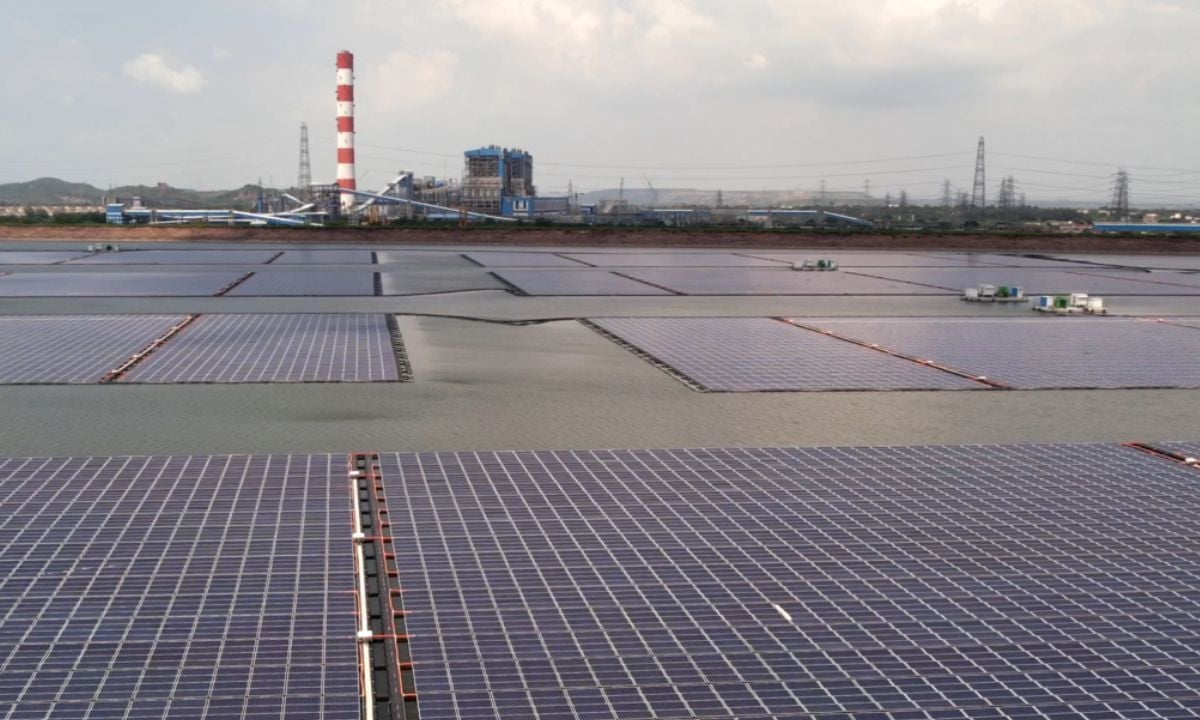
The opportunities for renewable energy in Malaysia involve boosting solar power capacity on waterbodies including reservoirs and other controlled water surfaces, a pursuit known as floating solar Malaysia. This combination may be available in areas with constrained development due to competing uses and/or limited land. To develop a successful project, it is important to consider water quality, solar energy, electrical services, anchoring requirements, environmental impact, and operational considerations.
Water Surface Utilization
Floating PV ensures an efficient use of water surfaces without the need for large ground PV installations. Enabling large scale deployment of PV cells in such areas could be achieved through the use of reservoirs and suitable artificial water bodies to retain the surrounding land for other uses such as agriculture, infrastructure, conservation or even other PV deployment. Site selection continues to have importance, as it may affect any floating installation, whether it is practical or has long-term operating requirements, depending upon what it's being used for, its surface conditions, water-depth and accessibility.
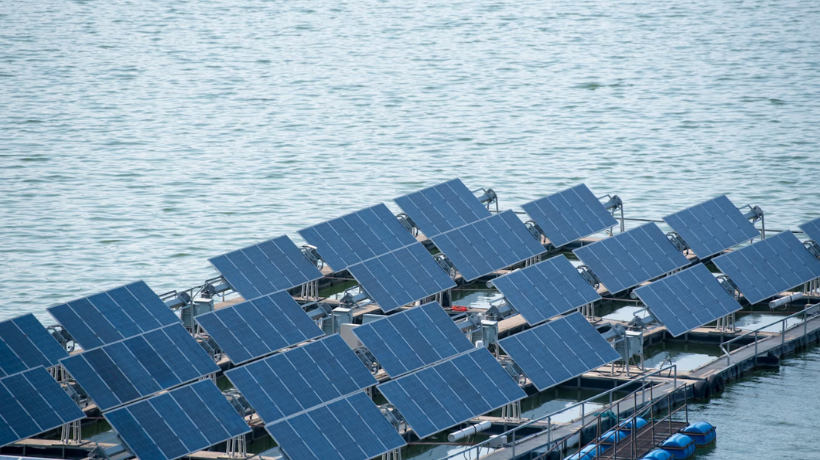
Solar Module Arrangement
The PV modules are attached to floating platforms which provide buoyancy and stability above the water. Electricity generation, access to maintenance, row loading, and shading between rows are examples of constraints that are a function of module orientation and spacing. The electrical cabling and movement should also be considered in the arrangement. A well-designed layout can help to make the best use of available surface space, yet allow for sufficient access for inspection/full cleaning, repairs, and the replacement of components.
Floating Structure Design
The platform must be buoyant, but stable to environmental changes. Floating structures are generally composed of a suite of durable floating elements that can bear PVs and other equipment. The material type should factor in conditions such as sun exposure, wettable, exposure to temperature changes, and exposure to biological units. The structural connections must also have a large enough capacity to control motion and mechanical loads during the expected lifetime of the installation.
Anchoring And Mooring
Anchoring systems keep the platform in a consistent position but allow for some fluctuation in responses to water changes. The preferred system is determined by the reservoir conditions, wind exposure, water surface fluctuations, and structure of the reservoir. Mooring cables, anchors or other connection systems may be used as appropriate for site requirements. Engineering evaluations are required to identify appropriate connection points, and to assure that environmental loads are kept to the limits of the structure.
Electrical Integration
Photovoltaic-generated electricity needs to be captured, transformed, shifted and safeguarded to be connected to the right electrical network. Other electrical equipment can condition electrical power that has been generated for transmission or local consumption; Inverters can be used to convert the direct current to alternating current. Extra care should be given to cable routing since electric items are used in the vicinity of water. To ensure reliable energy supply, the correct insulation components, protection and access equipment and monitoring arrangements must be used.
Operation And Maintenance
Reliable operation of the plant over the life of the project is achieved by a regular maintenance schedule. They can look at holes or worn modules, loose connections, cable problems, structural decay, biological materials, or anchoring problems. Monitoring devices can be used track the production of energy and system performance. Safe access route over floating platform also needed for maintenance teams. A carefully planned maintenance strategy can minimize downtime and let potential technical problems be identified in the early stages.
Environmental Considerations
The aquatic environment surrounding floating solar needs to be taken into account. Water quality, aquatic habitat, shading, evaporation, navigation, recreation and current activities in the reservoir may be considered in the planning process. However, the environment for each site may vary considerably, and it is important to assess this site by site. With proper spacing, anchoring, construction practices and monitoring it should be possible to control any possible reaction between the floating installation and the water environment.
Project Planning
For effective floating solar development to occur, coordination for engineering, environmental assessment, electrical design, construction, operations, and others are necessary. It is possible to use feasibility studies to assess solar conditions, water conditions, grid connection, equipment specification, construction issues and access to maintenance. The extra cost of installation of the infrastructure, monitoring, maintenance, and replacement of any components should also be considered. A detailed plan enables technical design to meet site conditions and long-term operational goals.
Conclusion
Floating solar Malaysia is a water-based method of increasing PV electric power output, and the effective utilization of water surfaces. The success relies on site selection, maintenance of floating structures, anchoring, electrical connections, environment survey and integrated operation. With careful design, reliable energy production can be achieved while considering the local water bodies' parameters in Malaysia. An increasing use of renewable energy could make floating photovoltaics an integral component of future solutions for multi-energy strategies.